KD-1975
High-temperature, high-pressure extreme-environment displacement sensor
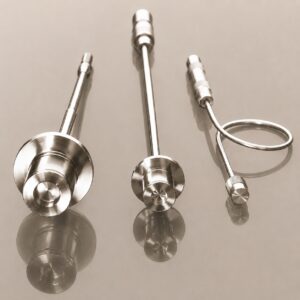
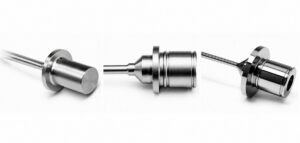
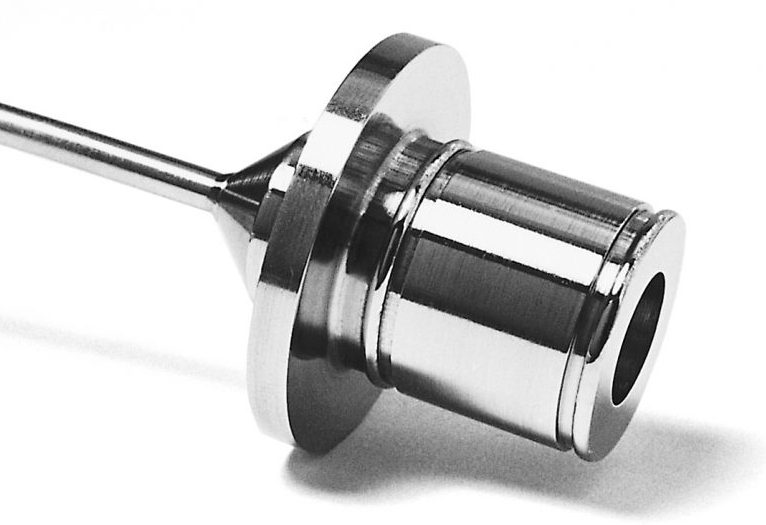
- Hermetically sealed, laser-welded Inconel housing
- Metal-jacketed, mineral-insulated (hard-line) cable
- Withstands pressure up to 3,500 psi
- Operating temperature −320°F to +1,000°F (+1,200°F short term)
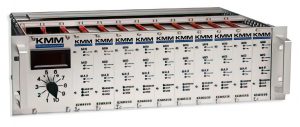
- Runs on the versatile KDM-8206 signal-conditioning electronics
- Available in NEMA enclosures or bench-top / rack-mountable Eurocards
- Unaffected by environmental contaminants (water vapor, oil, particulates)
- Resolution and repeatability comparable to Kaman's high-precision line
- Originally designed for NASA and the nuclear power industry
Specifications
| Operating temperature | −320°F to +1,000°F (+1,200°F short term) |
|---|---|
| Pressure rating | Up to 3,500 psi |
| Housing | Hermetically sealed, laser-welded Inconel |
| Cable | Metal-jacketed, mineral-insulated hard line |
| Electronics | KDM-8206 signal conditioning |
| Enclosure options | NEMA (internal power supply, digital panel meter, window kit) or Eurocard rack / bench-top |
Sensors
Certifications
Hermetically sealed, laser-welded Inconel construction. Declaration of Conformity available on request.
Options
Accessories
KDM-8206 electronics, NEMA enclosures, and mineral-insulated cable assemblies are available. Contact an applications engineer for configuration.
Frequently Asked Questions
How hot and how high-pressure can the KD-1975 operate?
It operates from −320°F to +1,000°F (+1,200°F short term) at pressures up to 3,500 psi, in a hermetically sealed, laser-welded Inconel housing with mineral-insulated cable.
What electronics does the KD-1975 use?
It runs on the KDM-8206 signal-conditioning electronics, available in single-channel NEMA enclosures or in rack-mountable Eurocards with up to twelve channels.
What was the KD-1975 designed for?
Originally developed for NASA and the nuclear power industry, it targets power generation (including nuclear), aerospace propulsion, and materials research where high accuracy and structural integrity are essential.